
A tournament fishing tackle discount program is a structured way for anglers to cut gear costs while staying competitive. It usually comes from brands or retailers who want long-term relationships with serious anglers. In return for loyalty, consistent purchases, and sometimes promotion, anglers get access to lower prices, rewards, and exclusive perks. For anyone fishing regularly, especially in tournaments, this is less of a bonus and more of a smart strategy.
What Is a Tournament Fishing Tackle Discount Program?
A tournament fishing tackle discount program gives access to lower prices, reward points, and extra perks. In return, anglers stick with the brand, use their gear, and sometimes promote it. Here is what usually comes with it:
Lower prices on gear - Members often pay less than retail.
Reward points - Every purchase adds points. Later, those points turn into free or discounted gear.
Tournament rewards - Win or place high while using the brand, and you may earn cash or gift cards.
Special access - Early product drops, bundle deals, and free shipping show up often.
It is a win-win. Anglers save money. Brands build loyalty.
Where a Discount Fishing Reel Program Comes In?
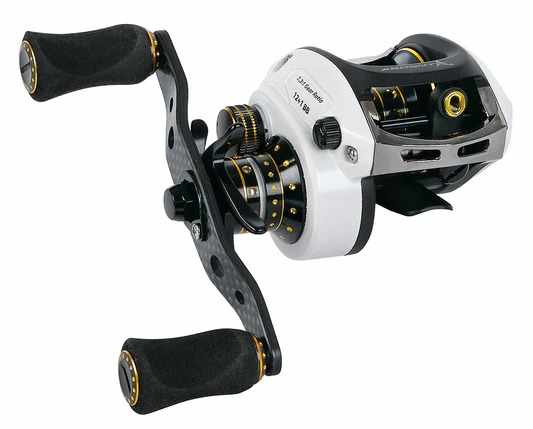
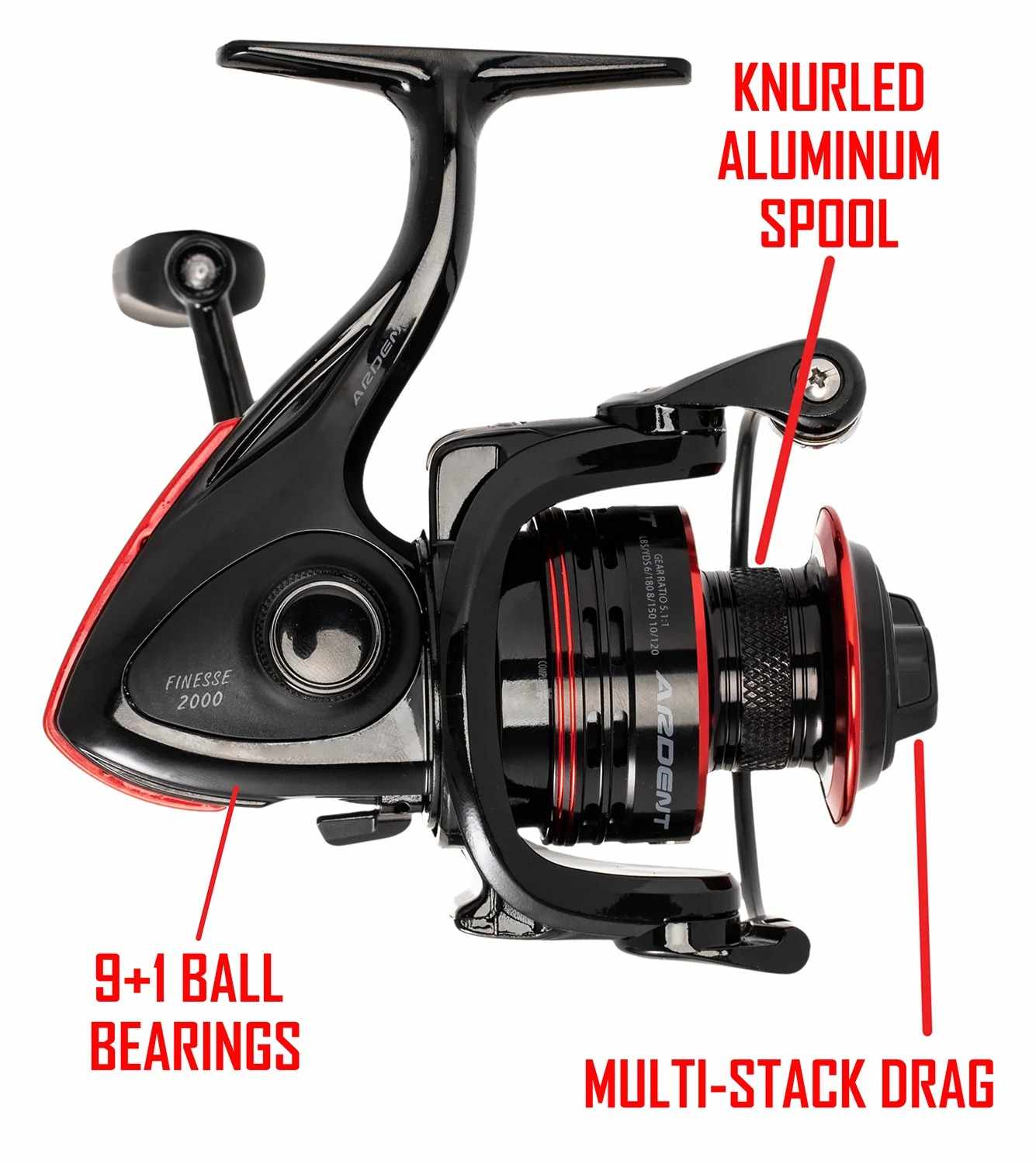
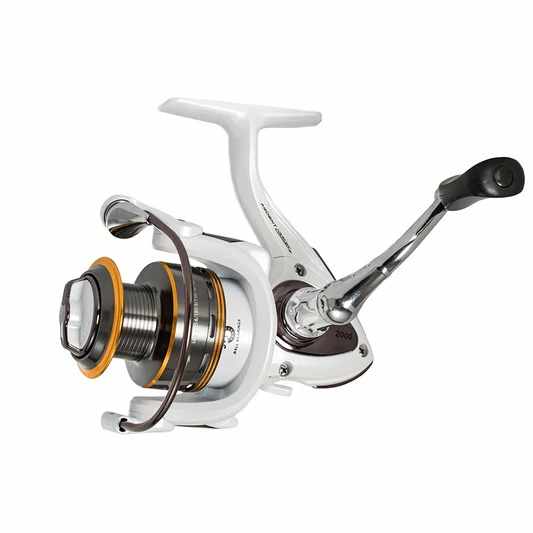
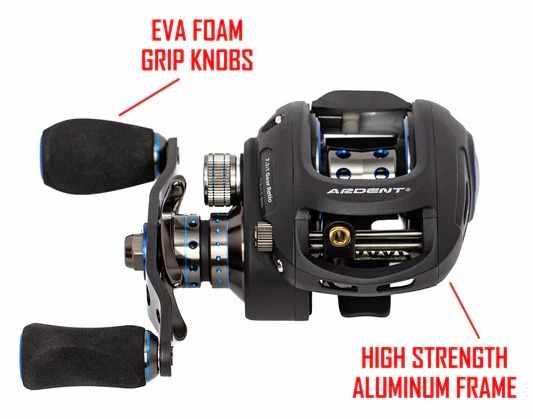
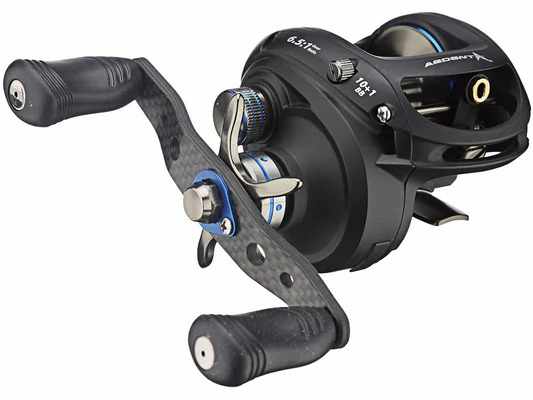
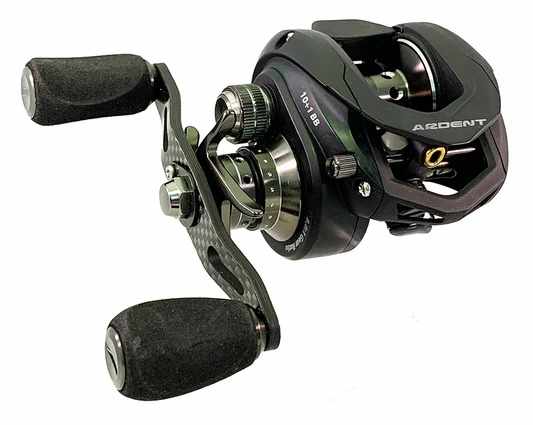
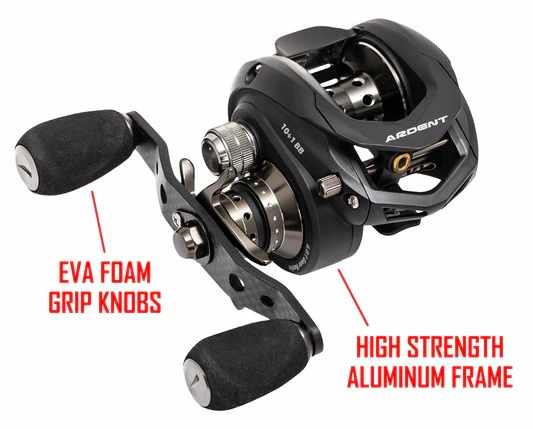
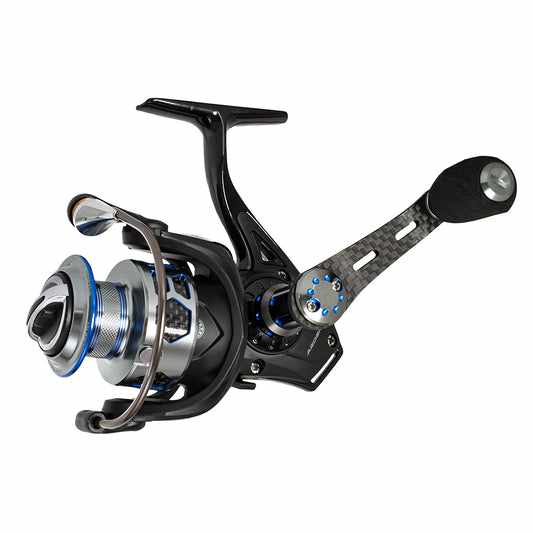
Reels are not cheap. And if you fish a lot, they wear out fast. A discount fishing reel program focuses on helping anglers save on one of the most important pieces of gear. It often runs as part of a bigger tackle program, but sometimes it stands on its own.
Here is what anglers usually get:
Discounts on premium reels
Early access to new models
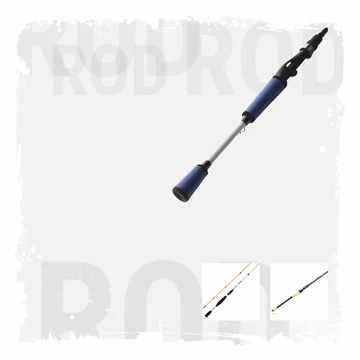
Bundle offers with rods
Points on every purchase
This makes a real difference. Instead of putting off an upgrade, anglers can replace or improve gear when needed.
Why These Programs Actually Matter?
Tournament fishing can burn a hole in your pocket. Entry fees, travel, gear. It all adds up. A tournament fishing tackle discount program helps take some pressure off. Here is why anglers lean on it:
Saves money over time - Small discounts add up fast.
Keeps gear quality high - No need to settle for cheap stuff.
Adds extra rewards - Good performance can bring extra cash or credits.
Builds brand ties - Stick with one brand long enough, and more doors open.
In short, it helps anglers fish smarter, not just harder.
How to Get the Most Out of It?
Joining is easy. Using it well takes a bit of planning. Here are a few ways to make it count:
1. Sign Up for More Than One Program
Different brands cover different gear. A mix gives better coverage.
2. Track Your Points
Points can slip through the cracks. Keep an eye on them and use them before they expire.
3. Buy in Bulk
Hooks, lures, and line go fast. Buying more at once cuts costs.
4. Register Before Tournaments
Miss the deadline, and the rewards are gone. Always sign up early.
5. Stay Active
Post about your gear. Share feedback. Some brands reward engagement.
6. Focus on Big-Ticket Items
Use a discount fishing reel program for expensive gear first. That is where the real savings sit.
Mistakes to Avoid
It is easy to slip up if you are not careful. Watch out for these:
Ignoring the rules - Every program has terms. Read them.
Buying just because it is cheap - A deal is only good if you need the item.
Forgetting to track rewards - Lost points mean lost value.
Skipping registration steps - No registration, no rewards. Simple as that.
Stay sharp, and the program works in your favor.
Is It Worth It?
For casual anglers, maybe. For tournament anglers, yes. No question. A tournament fishing tackle discount program helps cut costs, improve gear access, and even bring in extra rewards. Over time, it pays off. Even a discount fishing reel program alone can save a decent chunk of money across a season.
Final Thoughts
Fishing tournaments are not cheap. Gear costs stack up fast. But smart anglers look for ways to manage it. A tournament fishing tackle discount program does more than save money. It helps anglers stay ready, upgrade gear on time, and keep their edge on the water. At the end of the day, it is simple. Use the system right, and it works for you. Ignore it, and you leave money on the table.






Write a comment ...