
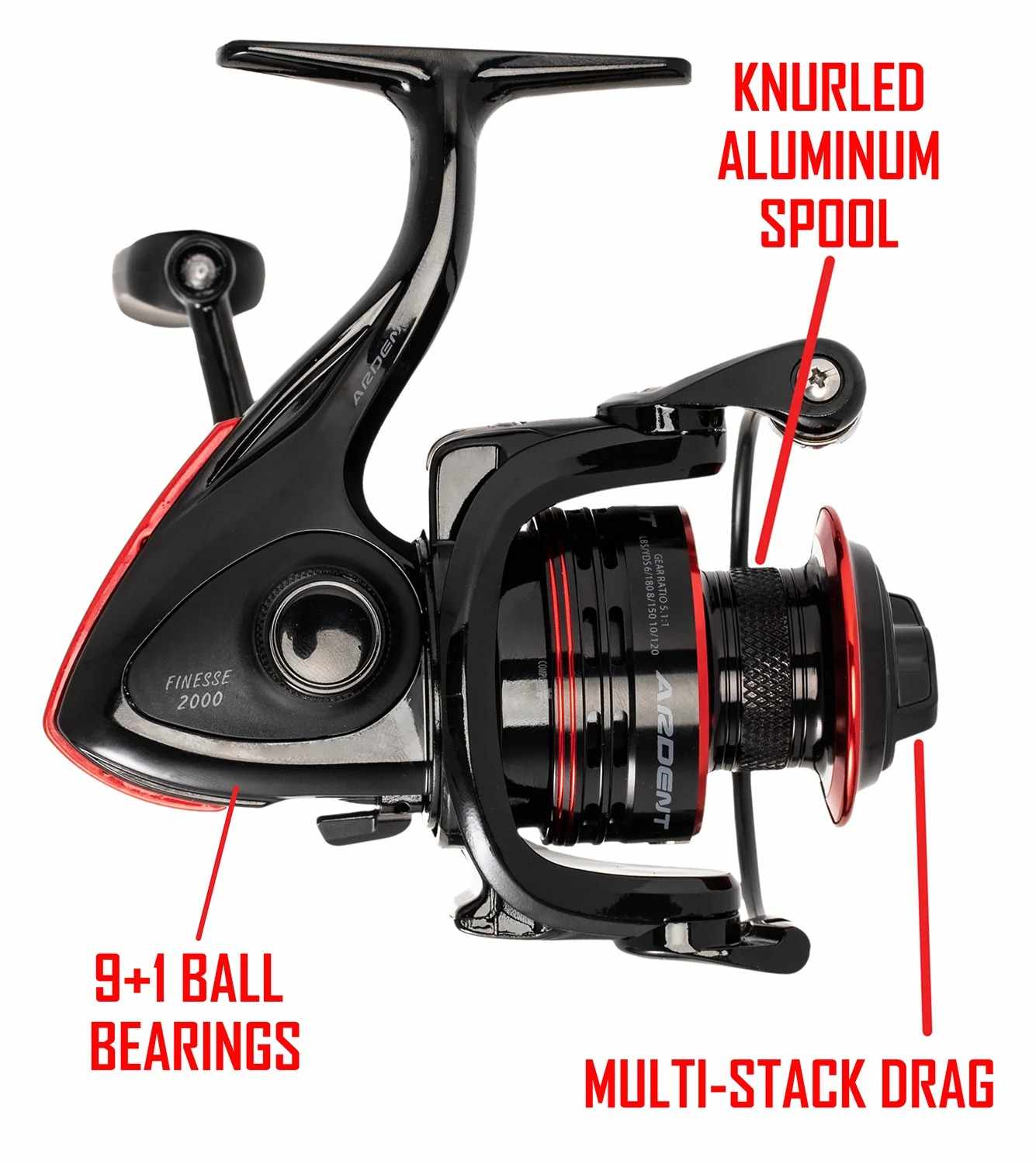
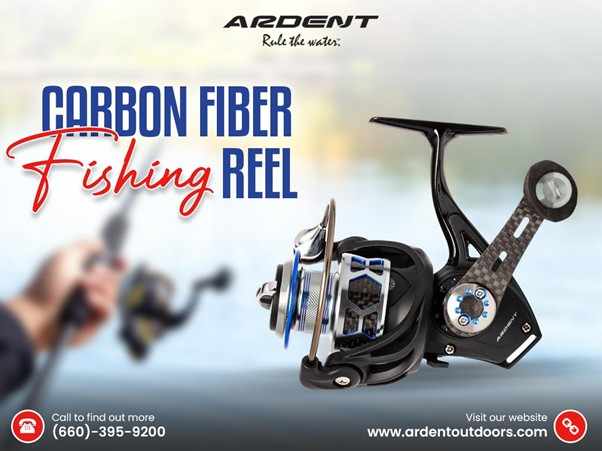
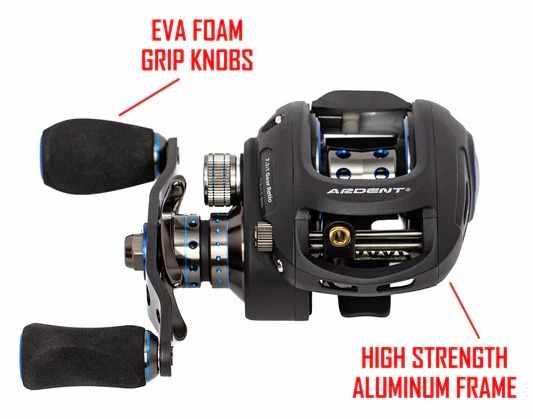
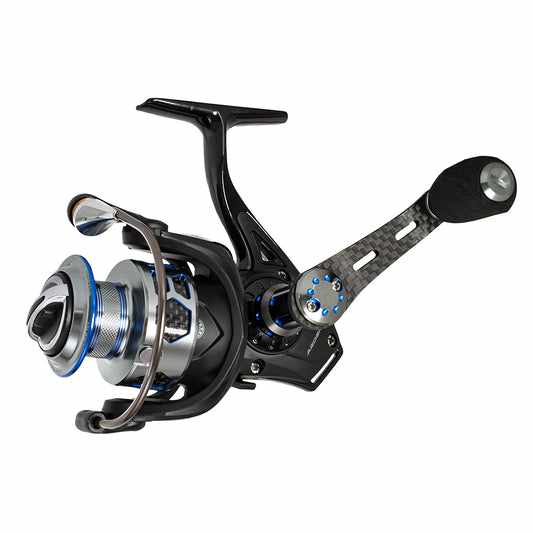
Yes, the finish on a reel does more than change how it looks. It protects the metal from rust, scratches, and wear. An all black spinning reel often uses a tougher coating than lighter finishes. This can mean better protection against saltwater, sand, and daily bumps. The finish is not just style. It is part of the reel's defense system.
Anglers often pick a color first and think about performance second. Still, the finish plays a real role in how long a reel lasts. This guide covers what the finish does, how it holds up over time, and what to look for before you buy.
What Does a Reel Finish Actually Do?
The finish is the outer layer on a reel's body, spool, and handle. It is usually paint, an anodized coating, or a powder coat. This layer does a few jobs:
Blocks moisture from reaching the metal
Cuts down on friction and wear from daily use
Adds a layer of scratch resistance
Helps the reel resist rust in salt or fresh water
Without this layer, bare metal would rust fast. This is a big risk near the coast. A good finish slows that process down. It also keeps the inner parts safer.
Does Color Affect Reel Strength?
Color alone does not change strength. A black reel and a white fishing reel made from the same parts will hold up about the same. This holds true as long as the coating quality matches. What matters more is the coating type and thickness, not the shade.
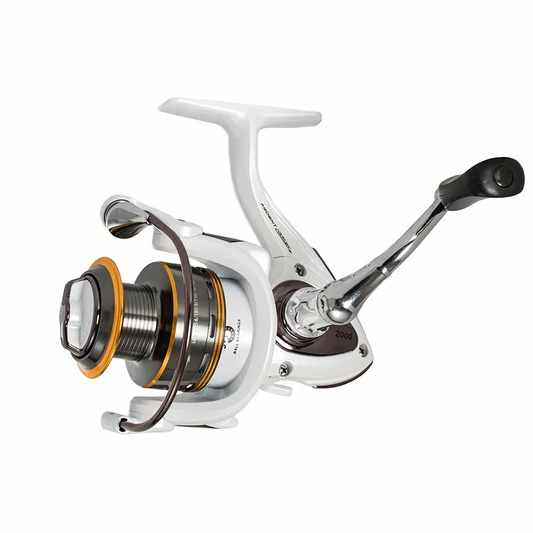
Dark finishes do hide small scuffs and scratches better than light colors, though. A white fishing reel may show dirt or wear marks sooner. This happens even if the inner parts are just as strong. It is a look issue, not a strength issue. But it still affects how a reel looks over time.
Why Anglers Often Choose an All Black Spinning Reel?
Buyers often lean toward an all-black spinning reel for a few simple reasons:
Scratches and small dings blend into the dark finish
Black coatings often use tougher anodizing steps
It pairs well with most rod colors and gear setups
Stains from fish slime or mud stand out less
None of these reasons make a black reel stronger on their own. Strength comes down to build quality, gear ratio, and how well the reel seals out water. Even so, a strong finish helps the reel look newer for longer.
How Finish Quality Impacts Long-Term Performance?
Not all coatings are equal. Some reels use a thin paint layer that chips fast. Others use anodized aluminum, which bonds to the metal and resists peeling. Here is what sets a strong finish apart from a weak one:
Anodized coatings outlast standard paint
Extra coating layers add more rust protection
Sealed drag systems keep water off moving parts
Careful quality checks cut down on weak spots
A reel with a poor finish may look fine on day one. After a few trips near saltwater or rough ground, though, chips and rust can show up fast. That wear then spreads to the gears underneath.
Tips to Keep Any Reel Finish Lasting Longer
No matter the color, a few habits help protect the finish and the reel itself:
Rinse the reel with fresh water after every saltwater trip
Dry it fully before you store it in a bag or case
Add reel oil to moving parts on a set schedule
Avoid dragging the reel across rocks or hard ground
Store it somewhere cool and dry, away from the sun
These small steps add up fast. A well-kept reel, black or white, can last for many seasons without big issues.
So, Does Finish Really Matter?
Yes, but maybe not in the way most anglers think. The finish will not make a reel cast farther or fight fish harder. What it does is guard the body from the elements and slow down wear you can see. An all-black spinning reel tends to hide scuffs better and often comes with a tougher anodized coat. A white fishing reel, on the other hand, may need a bit more upkeep to stay looking sharp.






Write a comment ...