
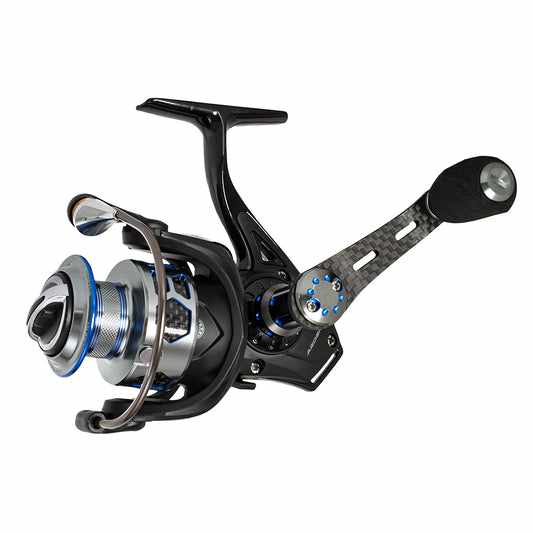
Professional anglers do not choose a reel based on looks or brand hype. They look at how the reel will hold up after salt, sand, hard casts, and long fights with fish. Before they buy saltwater spinning reel gear, they study sealing, drag, body material, gear feel, and line capacity. Those details decide whether a reel lasts one season or many. In saltwater, weak parts do not stay hidden for long. A reel either keeps working under pressure or starts to fail at the worst possible time.
They check how well the reel keeps water out
Saltwater and grit are rough on gear. Pros start with sealing because water intrusion causes most of the early damage. They look for sealed drag stacks, protected anti-reverse parts, and tight housing around the main gear.
A reel can have strong specs on paper, but if water gets inside easily, it will wear down fast. This is why sealed designs matter so much in spinning reel fishing. A reel that keeps out salt tends to stay smooth longer and needs less repair.
They want strong materials, not weak shortcuts
Body material matters a lot. Pros usually prefer full-metal bodies or tough composite builds that can handle stress without flexing. Flex may not seem like a big issue at first, but under load, it can affect gear alignment and smoothness.
They also check the internal parts. Stainless steel, marine-grade bronze, and corrosion-resistant bearings are good signs. Cheap metal parts may save money up front, but they can turn into a headache later. A smart angler usually thinks about the next season, not just the next trip.
They look closely at the drag system
A smooth drag is a big deal in saltwater. Fish make long runs, and a bad drag can jerk, slip, or bind when pressure rises. Pros want a sealed drag system with carbon-fiber washers because it gives steady pressure and helps protect the light line.
This part often gets ignored by beginners, yet it is one of the most important things to check before you buy saltwater spinning reel equipment. If the drag is uneven, the fight gets messy fast. Good drag lets the fish pull the line without sudden spikes in tension.
They match the gear ratio to the way they fish
Gear ratio is not just a number on a box. It affects how fast the spool turns and how much pulling power the reel has. Pros usually think about it like this:
Higher gear ratios help pick up slack fast and work well for lure fishing.
Lower gear ratios give more torque and help turn strong fish away from cover.
Mid-range options offer a balance for anglers who want one reel to do more than one job.
For spinning reel fishing, this choice matters because the wrong ratio can make the reel feel awkward. A fast reel is not always better. A powerful reel is not always better, either. The best choice depends on the target fish and the style of fishing.
They size the reel for the fish, not the package
Reel size and line capacity go hand in hand. Saltwater fish often make long runs, so pros make sure the spool can hold enough braided line for the job. A smaller reel may work for inshore flats or light tackle. A larger reel is often better for bigger fish, rough water, and deeper structure. Pros do not want to get spooled because they tried to save a few ounces or a few dollars.
Before they buy saltwater spinning reel models, they think about the species, the water depth, and the structure below the surface. That simple habit keeps them from buying gear that looks right but performs wrong.
They also check how the reel feels under pressure
Specs matter, but feel still matters. A reel should turn cleanly, lay line evenly, and feel solid when the handle is under load. If it grinds, wobbles, or feels loose, pros usually move on. They also like reels that are easy to maintain. Saltwater gear needs rinsing and care. A reel with smart sealing and simple upkeep can save time and money over the long haul.
A final word on what pros really want
Professional anglers are not chasing gimmicks. They want a reel that handles salt, resists wear, and keeps drag smooth when a fish surges. In other words, they want confidence every time the line tightens.
Anyone looking to spin reel fishing with better results should think the same way. Check the sealing first. Then check materials, drag, gear ratio, and line capacity. Those basics reveal more than any flashy ad ever will. A good reel should feel like workhorse gear, not a gamble.

Write a comment ...