
The right baitcaster setup comes down to three things working together. Reel size, retrieve direction, and lure weight all need to match. Get one piece wrong, and casting feels clunky. Get all three right, and every cast feels smooth. This guide breaks down how to pair them so your next trip on the water goes better.
Why Reel Size Matters First?
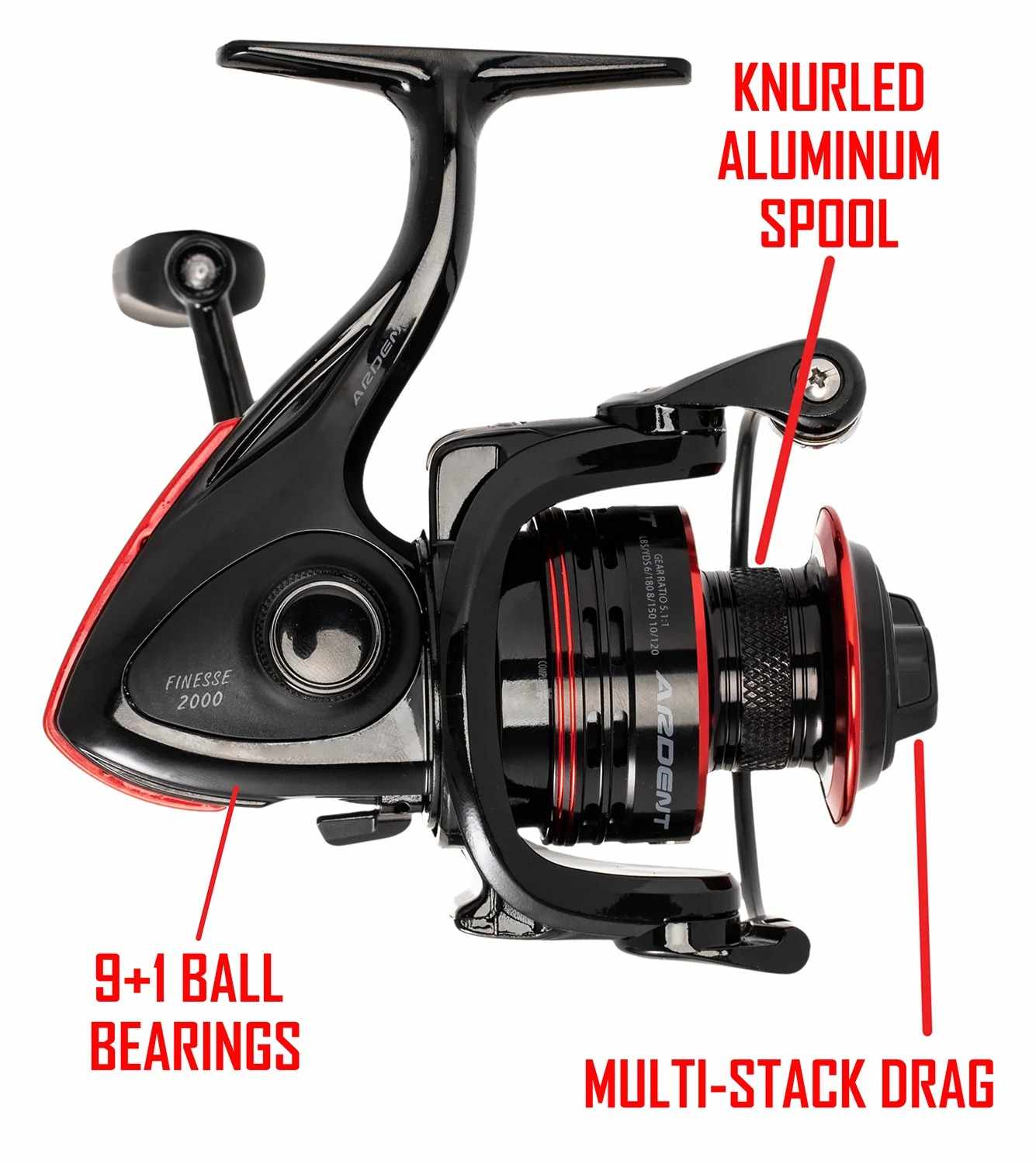
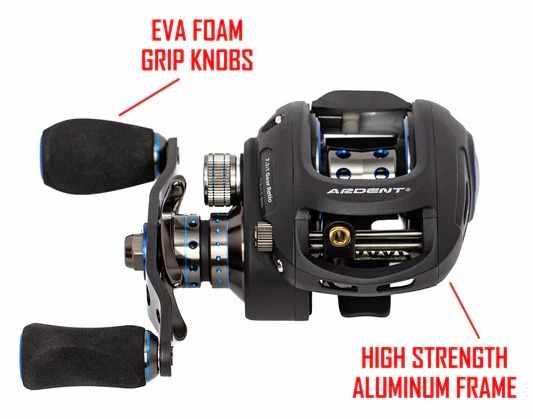
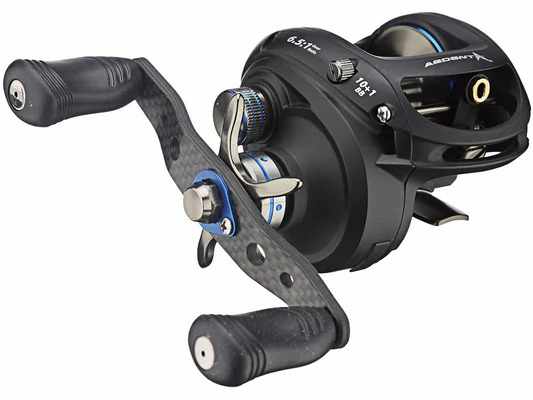
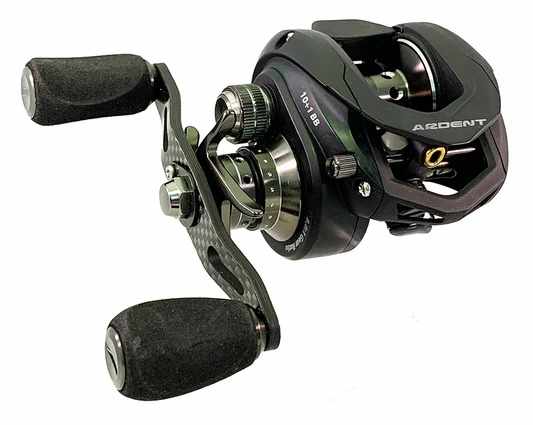
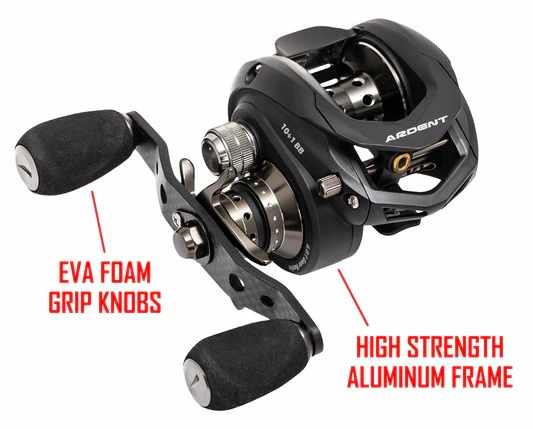
Reel size sets the foundation for everything else. A small reel holds less line and works best with light lures. A big baitcaster reel holds more line and handles heavier lures with ease. If you fish deep water or chase bigger fish, size up. A larger spool gives you more line capacity and stronger drag power. That means fewer break-offs when a big bass makes a run. Anglers who fish shallow cover or finesse baits can stick with smaller reels. Less bulk means better feel and quicker follow-up casts.
Matching Lure Weight To Your Reel
Lure weight and reel size go hand in hand. Light lures need light reels. Heavy lures need reels built to cast them without strain. Here is a simple way to think about it:
Light lures (1/8 to 3/8 oz): Pair these with smaller reels for smoother, longer casts. A heavy reel will kill the action on tiny baits.
Medium lures (3/8 to 3/4 oz): A mid-size reel handles these well. Most everyday fishing falls into this range.
Heavy lures (3/4 oz and up): This is where a big baitcaster reel earns its keep. Big spools and strong gears cast heavy baits farther and hold up under pressure.
Trying to force a light lure onto a heavy reel makes casting harder. The lure will not pull enough line off the spool. The result is short, weak casts and more backlash.
Retrieve Direction: Left Or Right?
The direction comes down to comfort and control. Most anglers cast with their dominant hand and reel with the other. That is why so many pros use a left-hand reel baitcaster. It lets right-handed casters keep the rod in their strong hand the whole time. No need to switch hands between the cast and the retrieve.
This small change speeds things up. You stay ready to set the hook faster because your rod hand never leaves its spot. Left-handed anglers often go the other way and pick a right-hand retrieve for the same reason. The goal is simple. Keep your dominant hand on the rod at all times. If switching hands after every cast feels natural to you, stick with what works. Comfort matters more than any general rule.
Putting It All Together
Choosing the right baitcaster setup is not about picking the fanciest gear. It is about matching size, weight, and retrieve style to how you actually fish. Think through these questions before you buy:
What size lures do I throw most often? This decides your reel size.
Do I fish heavy cover or deep water? This points you toward a bigger spool and stronger drag.
Which hand do I cast with? This decides whether a left-hand or right-hand retrieve fits you best.
Once you answer these, the right combo becomes clear. A well-matched setup casts farther, feels more natural, and cuts down on tangled line.
Final Thoughts
Baitcasting gear works best as a system. Reel size, lure weight, and retrieve direction all need to line up. Skip this step, and even good gear feels off. Take the time to match them, and every cast feels effortless.
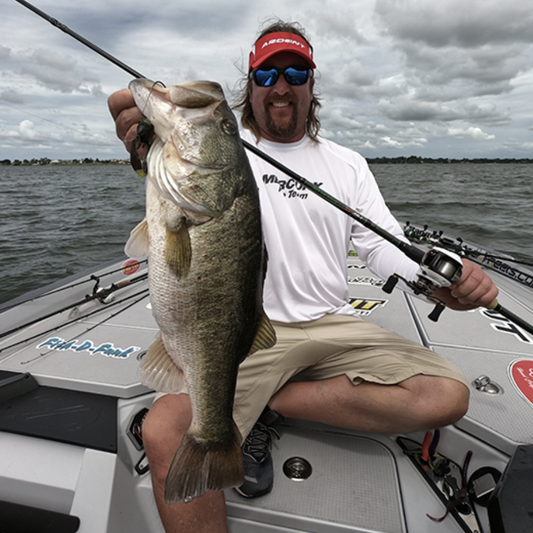
Start with your most-used lure weight. Build your reel choice around that. Then pick a retrieval direction that keeps your dominant hand steady on the rod. This simple approach saves you from wasted casts and lost fish. Anglers who fish often, like the team at Ardent, know that small setup choices add up to bigger results on the water.



Write a comment ...