
A fishing setup often feels “off” before it looks wrong. A weak balance between rod and reel changes how the whole system behaves in the hand. With spinning fishing rods and reels, small mismatches show up fast during casting, retrieving, and long hours on the water. The issue is not always obvious at first. Over time, it affects comfort, accuracy, and even how well bites are felt. Understanding these signs helps anglers correct problems early and improve overall performance without guesswork.
1. The Rod Tip Feels Too Heavy
A clear sign of imbalance is a rod that constantly dips forward. The tip pulls downward when the setup is held loosely. This usually means the reel is too light for the rod power or length. As a result, the angler has to keep adjusting grip strength to hold the rod level. That creates extra strain in the wrist and forearm. This issue becomes more noticeable with longer casting sessions and heavier lures.
2. Early Wrist and Arm Fatigue
Fatigue is one of the most common warnings. A balanced setup should feel natural in the hand. If the wrist or forearm starts aching quickly, the system is likely fighting gravity. This happens when the weight distribution is too far toward the rod tip. The muscles keep working to lift and stabilize the front end. Over time, even short fishing trips feel tiring. Long sessions become harder to enjoy.
3. Casting Feels Less Controlled
Accuracy drops when the balance is off. The rod feels slow to respond during the casting motion. It may also feel slightly “clunky” during quick direction changes. This affects targeting near structures like docks, rocks, or vegetation. A balanced setup moves smoothly with the angler’s wrist. An unbalanced one delays reaction, which leads to off-target casts and wasted effort.
4. Reduced Sensitivity to Bites
Another key sign is reduced feel. Subtle taps or light bites become harder to notice. The rod feels dull instead of responsive. This happens because the angler naturally grips tighter to control the forward-heavy weight. That tighter grip blocks vibration from traveling through the rod blank. With properly tuned spinning fishing rods and reels, even soft bites transmit clearly through the hand. Balance plays a direct role in sensitivity.
5. Simple Balance Test Shows Immediate Tilt
There is an easy way to confirm an imbalance. Hold the rod with the reel attached and everything set up as if fishing. Let it rest on a finger near the reel seat. A balanced setup stays level. A tip-heavy one drops forward instantly. If the rod cannot hold position, the weight distribution is off. This is one of the quickest ways to confirm the issue without special tools.
6. Constant Grip Adjustment While Fishing
Another subtle sign is repeated hand movement. The angler keeps shifting grip to stabilize the rod. This usually happens during slow retrieves or when pausing between casts. Instead of resting comfortably, the hand stays active just to control balance. Over time, this leads to unnecessary fatigue and reduces focus on fishing itself.
7. The Fix Starts With Matching Gear Properly
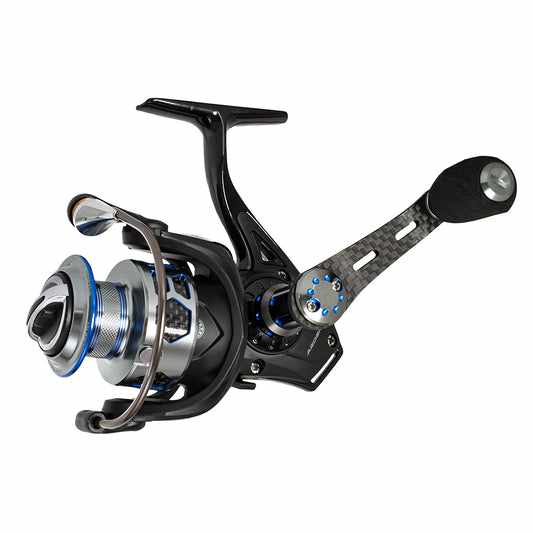
Fixing the imbalance is not complicated. It starts with matching rod power, length, and reel weight correctly. This is where choosing the right reel matters. Some setups require slightly heavier reels to counter long or fast-action rods. That is why anglers often rely on recommended spinning reels designed to pair well with common rod categories. The right match shifts the balance point closer to the hand, which improves control instantly. In some cases, adding small counterweights to the rod butt also helps fine-tune the feel.
Final Thoughts
An unbalanced rod and reel setup does not always stand out visually. It shows up through fatigue, weak casting control, and reduced bite sensitivity. The good news is that the fix is simple once the signs are clear. A properly matched setup feels steady, responsive, and easier to control throughout the day. Paying attention to balance turns ordinary spinning fishing rods and reels into a smoother and more reliable system on the water.






Write a comment ...